
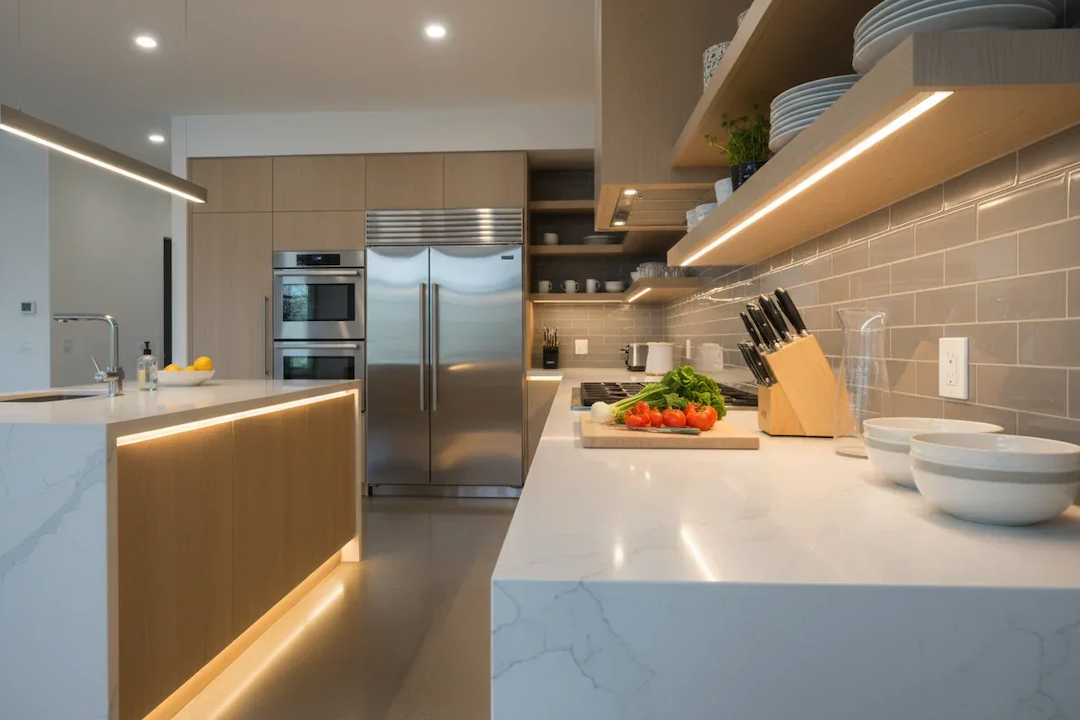

So, you’ve got a collection you’re proud of, whether it’s vintage teacups, beloved books, or that impressive assortment of action figures. And you want to show them off, right? Adding some stylish cabinet lighting is a fantastic way to do just that. It’s not just about making things visible; it’s about creating atmosphere, highlighting details, and giving your treasures the spotlight they deserve. Think of it as the final touch that turns a nice display into a captivating one.
Why Bother with Cabinet Lighting?
You might be wondering if it’s really worth the effort. The answer is a resounding yes, and here’s why.
It’s More Than Just Light
Cabinet lighting Yigolighting goes beyond simply illuminating the inside of a cabinet. It’s about controlling how light interacts with your items and the space around them.
Highlighting Detail and Texture
Good lighting can reveal subtle details and textures in your collection that might otherwise go unnoticed. Think about the delicate glaze on a piece of pottery or the intricate carving on a wooden figurine. The right light can make these features pop.
Creating Ambiance
The type and placement of lighting can drastically alter the mood of a room. Soft, warm light can create a cozy, inviting atmosphere, while brighter, cooler light can lend a more modern or gallery-like feel.
Preventing Damage (Sometimes)
While not the primary function, certain types of LED lighting emit very little heat and UV radiation. This can be beneficial for delicate or antique items that are sensitive to light and heat damage over long periods.
Making Your Collection Stand Out
Let’s be honest, you’ve put time and effort into curating your collection. Cabinet lighting is your opportunity to make it a focal point, drawing the eye and sparking conversation.
Types of Cabinet Lighting: What Are Your Options?
When you start looking into cabinet lighting, you’ll quickly realize there are several technologies and styles to consider. Choosing the right one depends on your cabinet’s design, your collection, and the overall aesthetic you’re going for.
LED Strips: The Versatile Workhorse
LED strips are incredibly popular for cabinet lighting, and for good reason. They’re flexible, energy-efficient, and come in a wide range of colors and brightness levels.
How They Work
These are flexible circuit boards with a series of LED chips mounted on them. They are usually self-adhesive, making installation a breeze. You can often cut them to size, allowing for a custom fit within your cabinet.
Where to Put Them
- Along the top edge: This is a classic placement, casting light downwards onto your items. It creates a uniform glow.
- Under shelves: Lighting from beneath shelves can create dramatic uplighting effects, especially for items that sit on lower shelves.
- Around the back: This can create a diffused, halo effect that bounces light off the wall behind your cabinet, offering a softer illumination.
- Vertically along the sides: This can highlight individual items or create a more dynamic lighting pattern.
Pros and Cons
- Pros: Very versatile, easy to install, energy-efficient, available in various color temperatures and colors, dimmable options are common.
- Cons: Can sometimes show individual LED dots if not diffused properly, may require a separate power supply and controller.
Puck Lights: Simple and Focused
Puck lights are compact, round light fixtures that offer a more targeted illumination. They’re great for smaller cabinets or when you want to spotlight specific items.
How They Work
These are small, often battery-powered or plug-in units that mount directly to a surface. They can be surface-mounted or recessed.
Where to Put Them
- Centered above items: Positioned directly above a specific object, they can create a dramatic spotlight effect.
- Evenly spaced on shelves: Several puck lights can provide consistent lighting across a shelf.
- Inside corners: This can help eliminate shadowy areas.
Pros and Cons
- Pros: Easy to install, good for accent lighting, often battery-operated for simple setup, relatively inexpensive.
- Cons: Can create harsh shadows if not strategically placed, limited flexibility in beam angle, battery life can be a consideration for battery-powered options.
Spotlights: Precision Illumination
For truly detailed highlighting, dedicated spotlights are the way to go. These are designed to direct a narrow beam of light precisely where you want it.
How They Work
These are typically small, adjustable fixtures that can be mounted on the cabinet ceiling, sides, or even on a track system. They often use directional LED technology.
Where to Put Them
- Targeting specific collectibles: Ideal for that one showpiece item you want to draw all attention to.
- Highlighting artwork or intricate details: If your collection includes items with fine craftsmanship, spotlights can emphasize that.
- Creating dramatic contrast: By spotlighting certain items and leaving others in relative shadow, you can create a museum-like display.
Pros and Cons
- Pros: Excellent for accentuating specific items, adjustable beam angles, high-quality illumination.
- Cons: Can be more expensive than other options, might require more planning for installation and wiring, can create harsh shadows if not used carefully.
Integrated Cabinet Lighting: The Built-In Look
Some cabinets come with pre-installed lighting, or you can opt for lighting that is designed to be seamlessly integrated into the cabinet’s structure.
How They Work
This often involves LED strips or panels that are built into the shelves, cabinet doors, or frame itself. The goal is to create a clean, minimalist look where the light source is nearly invisible.
Where to Put Them
- Edge-lit shelves: Light is channeled into the edges of glass or acrylic shelves, making the entire shelf appear to glow.
- Inside cabinet doors: Linear lights that run along the inside of the doors can illuminate everything when the doors are opened.
- Recessed into the cabinet ceiling or floor: These are designed to be flush with the surface, providing even illumination without visible fixtures.
Pros and Cons
- Pros: Very sleek and modern aesthetic, often designed for specific cabinet types, can offer very uniform light distribution.
- Cons: Can be more costly, installation might be more complex or require professional help, less flexible for retrofitting older cabinets.
Making the Right Choice: Key Considerations
Now that you’ve got an idea of the types of lighting, let’s talk about how to pick the best one for your situation. It’s not just about the technology, but about how it fits with your collection and your space.
Color Temperature: Warm vs. Cool, and Why It Matters
The color temperature of your lights, measured in Kelvin (K), can dramatically affect how your collection looks and the overall mood of the room.
Warm White (Around 2700K-3000K)
This is similar to incandescent bulbs and has a yellowish hue.
- Best for: Vintage items, wood, earthy tones, creating a cozy and inviting atmosphere. It can make materials look richer and more inviting.
- Avoid if: You want a crisp, modern look or are displaying items where true color accuracy is paramount (though good quality warm LEDs are usually fine).
Neutral White (Around 3500K-4000K)
This is a balanced white light that’s closer to natural daylight.
- Best for: Most general applications, displaying a variety of items, achieving a clean and balanced look. It’s a good all-rounder.
- Consider for: Collections that include a mix of materials and colors where you want a relatively true representation.
Cool White (Around 4500K-6500K)
This light has a bluish hue and can make colors appear more vibrant.
- Best for: Modern collections, displays of art or photographs where you want a gallery feel, creating a bright and energetic atmosphere.
- Consider for: Items with bright, bold colors. Be mindful that too much cool light can sometimes make materials look sterile.
Brightness (Lumens) and Dimming Capabilities
The brightness of your lights, measured in lumens, is crucial. You don’t want lights that are too dim to see anything, nor so bright that they are blinding or wash out your collection.
Finding the Right Lumen Output
This is subjective and depends on the size of your cabinet, the color of its interior, and how much light you want. It’s often easier to start with lower lumen options and add more if needed.
The Magic of Dimmers
This is where you gain a lot of control. A dimmer allows you to adjust the brightness to suit different times of day, moods, or specific items. It’s a game-changer for creating dynamic displays.
- Essential for: Creating subtle ambiance, preventing glare, and highlighting specific pieces without overpowering them.
- Look for: LED-compatible dimmers to ensure smooth and flicker-free operation.
Power Source: Battery vs. Wired
This is a major practical consideration that affects installation and maintenance.
Battery-Powered Lights
- Pros: Super easy to install, no wiring needed, perfect for renters or temporary setups.
- Cons: Batteries need to be replaced or recharged, can sometimes be less powerful or have a shorter lifespan than wired options, may have limitations on features like dimming.
- Best for: Small cabinets, decorative displays where ease of use is paramount, or as an add-on to existing cabinets.
Wired (Plug-In or Hardwired) Lights
- Pros: Consistent power, generally brighter and more powerful, often offer more features (like dimming, color control), no need to worry about battery life.
- Cons: Requires access to an outlet or professional electrical work for hardwiring, can be more complex to install, may involve visible wires if not managed carefully.
- Best for: Permanent installations, larger cabinets, or when you need consistent and controllable lighting.
Diffusion and Glare: Making Your Lights Look Good
Harsh, direct light can create unflattering shadows and glare, making your collection look less appealing. Diffusion is key to a softer, more professional look.
What is Diffusion?
Diffusion involves spreading out the light from the source. This can be achieved through various means.
Diffusion Techniques
- Frosted covers: Many LED strip lights come with a frosted silicone coating or can be placed behind a frosted acrylic diffuser.
- Opal acrylic diffusers: These are often used with LED panels or strips and provide a uniform, soft glow.
- Strategic placement: Sometimes, simply angling the lights so they don’t shine directly on reflective surfaces is enough.
- Backlighting: Mounting lights behind the display items can create a soft halo effect that bounces light off the back wall.
Avoiding Glare
- Angle your lights: Don’t point them directly at shiny surfaces or glass fronts.
- Use diffusers: As mentioned, this softens the light.
- Consider the height: Placing lights too close to the top of the cabinet can create glare on the glass door.
Installation Tips: Doing It Right
Getting the installation right ensures your lighting looks its best and functions reliably. Here are some practical tips.
Planning is Key
Before you buy anything, take a good look at your cabinet and your collection.
Measure Everything
Know the dimensions of your cabinet, the shelves, and the areas where you plan to place lights.
Sketch It Out
A simple drawing can help you visualize the placement of lights and how the wiring will run.
Consider Accessibility
Think about how you’ll access switches, power outlets, or battery compartments.
Managing Wires
Visible wires can detract from the look of your display.
Hiding Wires
- Drill small holes: If you have permission (e.g., in your own home), discreetly drill small holes in the back or sides of the cabinet to pass wires through.
- Use cable management solutions: Adhesive cable clips, raceways, or channels can help keep wires neat and out of sight along the back or edges of the cabinet.
- Run them along existing seams: Utilize natural lines and joints within the cabinet structure.
- Behind trim or moldings: If your cabinet has decorative trim, you might be able to tuck wires behind it.
Testing Before Finalizing
Always test your lights before permanently fixing them in place.
Test Placement
Temporarily attach lights with tape or clips to see how the illumination looks in different positions.
Check Brightness and Color
Ensure the color temperature and brightness are what you expected.
Ensure Dimmers Work
If you’re using dimmers, test their range and smoothness.
Beyond the Basics: Creative Touches
Once you’ve got the practicalities sorted, you can start thinking about how to make your cabinet lighting truly shine.
Smart Home Integration
For the tech-savvy, integrating your cabinet lights into a smart home system opens up a world of possibilities.
Voice Control
Control your lights with simple voice commands – «Hey Google, turn on the display cabinet lights.»
Schedules and Routines
Set your lights to turn on automatically at certain times of the day or when you enter a room.
App Control
Adjust brightness, color, and on/off status from your smartphone, even when you’re away from home.
Integration with Other Devices
Imagine your lights dimming automatically when your smart TV turns on, or changing color to match the mood of your music.
Color-Changing LEDs
While neutral or warm white is often preferred for general display, color-changing LEDs offer a fun and dynamic option.
Accent Lighting
Use subtle color washes to highlight specific items or create themed displays. For example, a blue hue for marine artifacts or a warm red for vintage toys.
Mood Setting
Change the color of the lighting to match the season, a holiday, or just your mood.
Dynamic Effects
Some color-changing LEDs offer pre-programmed effects like fading, pulsing, or color cycling. Use these sparingly for maximum impact.
Adding Movement or Dynamics
While static lighting is common, you can introduce subtle movement.
Sequential Lighting
Have lights turn on one after another, creating a flowing effect. This can work well in taller cabinets.
Flickering Effects (Use with Caution!)
Some LED controllers offer a flickering effect, mimicking candlelight. This can be very effective for antique or historical displays, but use it subtly to avoid looking artificial.
Final Thoughts
Adding stylish cabinet lighting is a simple yet incredibly effective way to elevate your collection and your living space. It transforms your treasured items from mere objects on shelves into captivating displays that tell a story and bring warmth and personality to your home. With the variety of options available today, from easy-to-install LED strips to sophisticated smart lighting systems, there’s a solution for every cabinet and every collector. So, go ahead, give your collection the spotlight it deserves!