
You’re probably wondering, «Does desk lighting really make that much of a difference to how much I get done?» The short answer is a resounding yes! The right desk lighting can significantly impact your focus, energy levels, and even your mood, ultimately boosting your productivity. It’s not just about seeing what you’re doing; it’s about creating an environment that supports your brain’s best work.
The Science Behind Great Desk Lighting
It’s more than just aesthetics. The way light interacts with your eyes and brain has a tangible effect on your performance.
How Light Affects Your Brain
Light plays a crucial role in regulating your body’s natural sleep-wake cycle, also known as your circadian rhythm. This internal clock influences not just when you feel sleepy, but also when you’re most alert and productive.
Melatonin and Alertness
During daylight hours, bright light (especially cool-toned light) suppresses the production of melatonin, a hormone that promotes sleep. This makes you feel more awake and alert. Conversely, dim or warm-toned light in the evening signals your body to start producing melatonin, preparing you for rest. For productivity, you want to maximize the alertness-promoting effects during your working hours.
Color Temperature and Your Mood
The «color» of light, measured in Kelvin (K), can also influence your mood and perception. Cooler colors (higher Kelvin, typically 5000K and above) tend to feel more energizing and stimulating, similar to natural daylight. Warmer colors (lower Kelvin, typically 2700K-3000K) feel cozier and more relaxing, but can sometimes make you feel a bit sluggish if used exclusively during work.
The Impact of Glare and Shadows
Poor lighting doesn’t just make it hard to see; it actively hinders your work.
The Problem with Glare
Glare is that annoying, direct reflection of light that bounces off surfaces like your screen or paper. It forces your eyes to work harder to distinguish details, leading to eye strain, headaches, and reduced concentration. Think of trying to read a book right next to a bright lamp – it’s tough!
The Shadowy Side of Poor Lighting
Shadows can obscure important details, forcing you to crane your neck or squint, again contributing to fatigue and errors. Consistent, even lighting across your workspace is key to avoiding this.
Choosing the Right Type of Desk Lamp
Not all desk lamps are created equal. The type of lamp you choose will dictate how the light is distributed and the overall quality of illumination.
Task Lamps: Your Workhorse
These are the go-to for focused work. Their primary function is to direct light precisely where you need it, minimizing distractions and maximizing visibility on your immediate work area.
Adjustable Arms and Heads
Look for lamps with flexible arms and adjustable heads. This allows you to pinpoint the light exactly where you need it, whether you’re typing, reading a document, or sketching. This adjustability is crucial for minimizing glare and ensuring your eyes aren’t strained by light hitting them directly from the wrong angle.
Brightness and Beam Focus
The brightness (lumens) is important, but so is how focused the beam is. A lamp with a concentrated beam is great for detailed tasks, while a wider, more diffused beam might be better for general illumination of your desk surface.
Ambient Lamps: Setting the Mood
While not strictly a «desk» lamp, ambient lighting plays a supporting role. It provides general illumination for the room, reducing the contrast between your bright task light and the darker surroundings.
Reducing Eye Strain with Layered Lighting
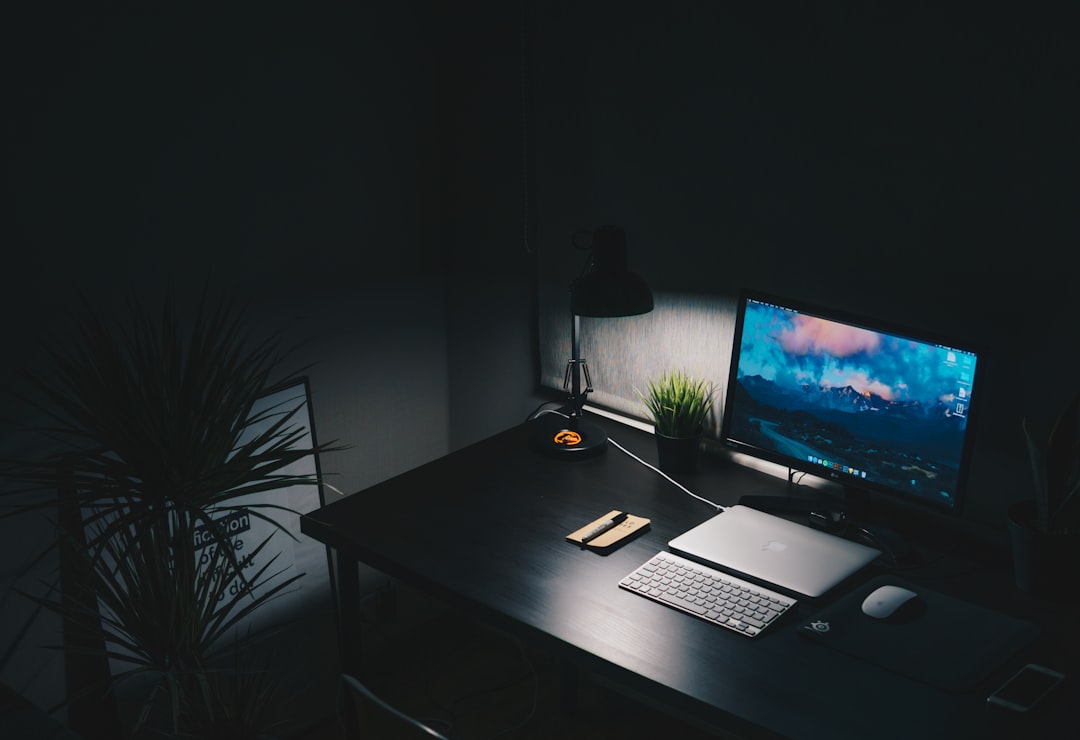
If your desk lamp is the only light source, the stark contrast can be jarring for your eyes, especially during long sessions. Having a softer, ambient light in the background can create a more comfortable visual environment. Think of a soft glow from a nearby floor lamp or even a well-placed overhead light.
Diffused Light is Key
For ambient lighting, diffused light is much better than direct light. This means the light source is softened, so it doesn’t create harsh shadows or glare. Lamps with frosted shades or indirect lighting techniques are good for this.
Specialty Lighting Options
Beyond the standard desk lamp, there are other innovative lighting solutions that can enhance your workspace.
Ring Lights for Video Calls
If you spend a lot of time on video calls, a ring light is a game-changer. It provides even, flattering light directly onto your face, making you look more professional and presentable. They also help reduce the shadows that can appear from overhead room lighting.
LED Strips for Undermount Lighting
LED strips can be discreetly placed under shelves or cabinets to provide subtle, indirect illumination. This can add a modern touch to your desk setup while also contributing to the overall ambient lighting, reducing the need for a single, harsh overhead light.
Understanding the Technical Specs: Lumens and Kelvin
Don’t get intimidated by the jargon. Lumens and Kelvin are the two most important numbers to understand when picking out lighting.
Lumens: How Bright Is It?
Lumens are the unit of measurement for the total amount of visible light emitted by a source. More lumens means a brighter light.
Finding the Sweet Spot for Your Task
For task lighting, you generally want something that provides good illumination without being blinding. For detailed work, you might want a lamp with around 500-800 lumens. For general desk illumination, 300-500 lumens might be sufficient. It’s a balance; too little light strains your eyes, and too much can cause glare.
Dimmable Options for Flexibility
A lamp with a dimmer function is incredibly useful. You can crank it up for intense focus sessions and then dial it down for more relaxed tasks or when you want to shift to a warmer, cozier light. This flexibility caters to different needs throughout the day.
Kelvin: The Color of Light
Kelvin (K) describes the color temperature of the light. As mentioned, this affects your mood and alertness.
Cool Light for Focus (5000K+)
For maximum alertness and productivity, especially during the day, aim for cooler color temperatures, typically 5000K and above. This mimics natural daylight and helps suppress melatonin production, keeping you sharp and focused.
Neutral Light for Versatility (3500K-4500K)
A neutral white light, in the range of 3500K to 4500K, offers a good balance. It’s bright enough to be energizing without feeling overly clinical, making it a versatile choice for many tasks.
Warm Light for Relaxation (2700K-3000K)
While not ideal for peak productivity, warmer light is great for winding down. If your desk lamp has a warm setting, it’s perfect for evening work where you want to transition to a more relaxed state.
Positioning Your Desk Lamp for Maximum Impact
Where you place your lamp is just as important as the lamp itself. The goal is to illuminate your work without creating glare or shadows.
The Golden Rule: Light from the Side
The best practice is to position your desk lamp so the light falls on your work area from the side, rather than directly from behind or in front of you.
Avoiding Shadows with Side Lighting
If you’re right-handed, place the lamp on your left. If you’re left-handed, place it on your right. This way, your hand or arm won’t cast a shadow over the paper or screen you’re working on. This simple adjustment can make a huge difference in reducing eye strain and maintaining focus.
Minimizing Screen Glare
Be mindful of where your lamp’s light hits your computer screen. You don’t want the light source to directly reflect off the screen and into your eyes. Experiment with the angle of the lamp head and its position relative to your screen.
The Importance of Even Illumination
Your entire workspace shouldn’t be a stark contrast of bright light and deep shadow. Aim for a more uniform level of light.
Combining Task and Ambient Lighting
As discussed earlier, a good task lamp works best when supported by ambient lighting. This creates a more balanced visual field and reduces the strain on your eyes. Don’t rely on a single, super-bright desk lamp in a dark room.
Using Multiple Light Sources Strategically
If your desk is large, you might need more than one light source. This could be a main task lamp and a smaller accent light, or even a well-placed floor lamp to fill in darker corners of your workspace.
Beyond the Lamp: Other Lighting Considerations
The lamp is the centerpiece, but other factors contribute to an optimal lighting environment.
Natural Light: Your Best Friend
Whenever possible, harness the power of natural light. It’s the most effective and beneficial light source for your eyes and your mood.
Maximizing Daylight
Position your desk near a window if you can. This will provide a natural, full-spectrum light that’s excellent for focus and well-being. Be mindful of direct sunlight, though, as it can cause glare. Using blinds or sheer curtains can help diffuse it.
The Circadian Rhythm Connection
Natural light is the most powerful regulator of your circadian rhythm. Exposure to daylight, especially in the morning, helps set your internal clock for the day, leading to better energy levels and improved sleep later on.
Glare Control: Practical Tips
Glare is the enemy of productivity. Here are some quick ways to combat it.
Anti-Glare Screen Protectors
These are inexpensive additions to your monitor that can significantly reduce reflections and harsh glare. They work by diffusing the light that bounces off your screen.
Matte Finishes for Your Desk and Accessories
If you’re setting up a new workspace, consider matte finishes for your desk surface and accessories. Shiny surfaces are more prone to glare.
Strategic Placement of Reflective Items
Try to avoid placing highly reflective objects (like mirrors or glossy photo frames) directly opposite your light source or in a position where they’ll bounce light directly into your eyes.
The Impact of Lighting on Your Well-being
Good lighting isn’t just about getting more done; it’s about feeling better while you do it.
Reducing Eye Strain and Headaches
The most immediate benefit of proper lighting is the reduction of eye strain and the associated headaches that can plague long work sessions. When your eyes aren’t constantly struggling to see, you feel more comfortable and can work for longer periods.
Boosting Mood and Energy Levels
The right kind of light, especially brighter, cooler light during the day, can significantly impact your mood and energy. It can combat that mid-afternoon slump and make your workspace feel more inviting and stimulating.
By paying attention to the type, brightness, color, and placement of your desk lighting, you can transform your workspace from a place of struggle to a hub of focused productivity and well-being. It’s a simple change with a surprisingly large impact.