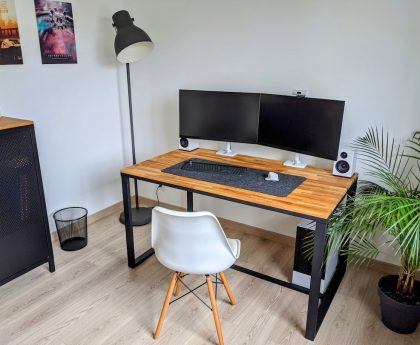


Thinking about how to really make your gallery wall pop? A Scandinavian alabaster table lamp could be just what you’re looking for. These lamps offer a unique blend of minimalist design and warm, diffused light, making them an excellent choice for highlighting artwork and adding a touch of sophisticated calm to your space. They aren’t just practical; they’re also a stylish design element in their own right, fitting beautifully into a variety of decor styles, especially those with an emphasis on clean lines and natural materials.
Why Alabaster Lamps Work Well with Gallery Walls
There’s something inherently special about how alabaster interacts with light, and this quality makes it particularly suited for spaces dedicated to displaying art. It’s not just about illumination; it’s about enhancement and atmosphere.
The Unique Glow of Alabaster
Unlike opaque shades or even clear glass, alabaster has a natural translucence. When light passes through it, it’s softened and diffused, creating a warm, inviting glow that’s incredibly flattering. This isn’t a harsh, directional light that creates strong shadows; instead, it’s a gentle luminescence that spreads evenly. For a gallery wall, this means the light isn’t competing with your artwork or creating glares. Instead, it provides a soft, ambient illumination that helps to bring out the textures and colors of your pieces without overwhelming them. Think of it as a subtle spotlight that enhances rather than distracts. The natural veining and subtle variations in each piece of alabaster also mean that every lamp has its own unique character, adding another layer of visual interest even when turned off.
Scandinavian Design Principles
The Scandinavian aesthetic is all about simplicity, functionality, and a connection to nature. It emphasizes clean lines, uncluttered spaces, and the use of natural materials. Alabaster lamps fit this philosophy perfectly. Their often minimalist forms, free from excessive ornamentation, ensure they don’t visually compete with your gallery wall. Instead, they serve as a grounding element, providing a sense of balance and calm. The natural, organic feel of alabaster also ties into the Scandinavian appreciation for natural textures and materials, bringing a touch of the outdoors in. This harmony with natural elements and straightforward design makes them feel incredibly integrated into a space rather than just an add-on.
Creating Depth and Dimension
A gallery wall can sometimes feel a bit flat if it’s solely relying on wall-mounted art. Introducing a table lamp in front of or adjacent to the wall adds a crucial element of three-dimensionality. The lamp provides a varied height, breaking up the horizontal and vertical lines of your framed pieces. The light emanating from the lamp also creates subtle shadows and highlights on the wall and the art, giving the entire display more depth and visual interest. It pulls the eye not just across the wall, but also outwards into the room, making the gallery wall feel like a more integrated part of the overall decor rather than just a collection of items hung on a surface. This layered approach is key to creating a truly dynamic and engaging display.
Complementing Various Art Styles
Whether your gallery wall features abstract paintings, black and white photographs, colorful prints, or even mixed media pieces, an alabaster lamp tends to complement them without clashing. Its neutral color palette – typically shades of white, cream, or very light beige with natural grey or brown veining – means it won’t introduce competing colors. The soft, diffused light is also versatile. It can soften the edges of sharp, modern art, or enhance the warmth of more traditional or rustic pieces. It’s a forgiving light source that works to unify disparate elements within your gallery wall, creating a cohesive and inviting visual narrative.
Choosing the Right Scandinavian Alabaster Table Lamp
Selecting the perfect lamp isn’t just about aesthetics; it’s about considering how it functions within your specific space and alongside your existing decor. There are a few key things to keep in mind.
Size and Scale Considerations
This is crucial for maintaining balance in your display. If your gallery wall is expansive and features many large pieces, a smaller, delicate lamp might get lost. Conversely, a very large, prominent lamp could overwhelm a smaller, more understated gallery wall. Think about the overall proportions. The lamp should feel substantial enough to hold its own but not so dominant that it becomes the sole focal point. Consider the height of your furniture where the lamp will sit – a lamp that’s too short might not provide enough upward light, while one that’s too tall could interfere with sightlines or feel top-heavy. A good rule of thumb is to look for a lamp that, when placed on a table, reaches roughly two-thirds the height of the tallest piece of art it’s illuminating or complementing.
Base and Shade Design
While the alabaster itself is the star, the design of the lamp’s base and the shape of the alabaster element play a significant role. Scandinavian designs often lean towards simple, geometric shapes – cylinders, spheres, or rectangular blocks. These minimalist forms ensure the lamp integrates seamlessly without drawing excessive attention to itself. Some designs might incorporate a subtle metallic base (like brushed brass or matte black) or a wooden element, adding a bit of textural contrast without straying from the minimalist ethos. Consider if you prefer a solid block of alabaster that glows uniformly, or a design with more distinct lines or carvings that add visual interest. The choice here largely depends on the specific aesthetic of your gallery wall; a very modern, graphic gallery might pair well with a geometrically precise lamp, while a more organic collection could benefit from a lamp with softer, rounded forms.
Light Output and Placement
The primary function of a lamp is light, so understanding its output is important. Alabaster diffuses light beautifully, but you still need to consider the wattage and the type of bulb. For ambient light that complements a gallery wall, you typically want a warmer color temperature (around 2700K-3000K) and a moderate brightness. You don’t want a spotlight that creates harsh glare on your art, but rather a soft, enveloping glow. Think about where the lamp will sit in relation to your gallery wall. Is it on a side table directly in front? On a console below? Or perhaps on a shelf within the gallery itself, if sturdy enough? The placement will influence how the light interacts with your art. A lamp placed slightly off-center can create interesting asymmetrical balance, while a centrally placed one might offer a more formal feel. Experiment with placement to see how the light best enhances your art and the overall mood of the space.
Integration with Existing Decor
While alabaster lamps are versatile, it’s always a good idea to consider how they’ll fit with your current furniture and color scheme. Do you have a lot of warm wood tones? A lamp with a complementary wooden base or a creamier alabaster might work well. Is your room more industrial with metal accents? A lamp with a sleek metal base or very white alabaster could be a good fit. The beauty of Scandinavian design is its adaptability, often acting as a neutral anchor. The natural variations in alabaster also mean it can bridge different design elements in a room, subtly connecting them through its organic texture and warm light. Think of it as a quiet contributor to your room’s overall story, rather than a shouting statement piece.
Styling Your Gallery Wall with an Alabaster Lamp
Once you’ve chosen your lamp, the next step is to integrate it thoughtfully into your gallery wall display. This is where you can really bring your vision to life.
Strategic Placement for Maximum Impact
Where you put the lamp makes a huge difference. A common approach is to place it on a console table or side table directly beneath or adjacent to the gallery wall. This anchors the display and adds a layered look. Consider if you want the lamp to illuminate a specific piece of art, or provide general ambient light for the entire wall. If your gallery wall is particularly wide, you might even consider two smaller alabaster lamps, one on each end, to create a sense of symmetry and balance. Don’t be afraid to try different positions – move the lamp around and observe how the light falls on your artwork from various angles before settling on the perfect spot. The goal is to make the lamp feel like an organic part of the display, not an afterthought.
Balancing with Other Objects
A gallery wall is rarely just art; it often includes other decorative elements. The alabaster lamp can be a beautiful anchor within a vignette on a console or shelf. Pair it with a stack of books, a small plant, a decorative bowl, or a few carefully chosen sculptural objects. The key is balance. Avoid clutter; the minimalist nature of the lamp suggests that less is often more. The lamp’s soft glow will draw attention to these accompanying objects, so choose items that are visually interesting but don’t compete with the artwork. The natural material of the alabaster also works beautifully with other organic textures like wood, ceramics, or woven materials, enhancing the overall natural, calming aesthetic.
Creating a Cohesive Visual Narrative
Think of your gallery wall and the lamp as telling a story together. The lamp provides the atmosphere, while the art provides the content. Ensure there’s a visual flow. If your gallery wall has a dominant color palette, ensure the lamp’s natural tones complement it rather than clash. If your art features strong geometric patterns, a lamp with a simpler, cleaner form might be best. If your art is more organic or abstract, a lamp with subtle curves or a more unique alabaster grain could tie in nicely. The aim is to create a dialogue between all the elements, where each piece enhances the others. The soft light from the alabaster lamp can also act as a unifying element, bathing all the disparate pieces in a warm, consistent glow, bringing them together under one umbrella of light.
Leveraging Light for Mood and Focus
The primary magic of the alabaster lamp lies in its light. Use it intentionally. If you have a specific piece of art you want to draw attention to, position the lamp so its light subtly highlights that area. For a more diffused, overall effect, place it centrally. The warm, diffused light of alabaster is excellent for creating a cozy, inviting atmosphere, perfect for a living room or bedroom gallery wall. It encourages lingering and contemplation. Consider the time of day: during daylight hours, the lamp might be a sculptural element, but as evening falls, its warm glow will transform the entire gallery wall, making it the focal point of the room and creating a completely different mood.
Maintenance and Care for Alabaster Lamps
Alabaster is a beautiful, natural material, and like any natural stone, it benefits from a bit of gentle care to keep it looking its best.
Regular Cleaning and Dusting
The good news is, alabaster is relatively easy to maintain. Regular dusting with a soft, dry cloth is usually all it takes to keep it looking clean. Dust can accumulate in any carvings or textured areas, so a soft brush (like a clean, dry paintbrush) can be useful for getting into those nooks and crannies. Avoid using abrasive cloths or harsh chemicals, as these can scratch the surface or dull the natural luster of the stone. For fingerprints or very light smudges, a slightly damp cloth (dampened with plain water) can be used, followed immediately by drying with a clean, dry cloth to prevent water spots.
Avoiding Stains and Damage
Alabaster is a porous stone, which means it can absorb liquids and potentially stain. It’s important to be mindful of this. Avoid placing beverages directly on the lamp’s surface without a coaster, and quickly wipe up any spills. Acidic liquids like wine, coffee, or fruit juice are particularly problematic and can etch the surface or leave permanent marks. Similarly, oil-based products (like some hand creams or furniture polishes not specifically designed for stone) can also seep into the alabaster and create dark spots. Always use caution when handling the lamp, and try to avoid banging it against hard surfaces, as alabaster can chip or crack if subjected to strong impacts.
Protecting the Surface
While most Scandinavian alabaster lamps come polished or sealed, it’s worth checking with the manufacturer if you’re unsure. A good seal can offer a degree of protection against spills and stains. If your lamp feels unsealed or you want extra protection, you can research stone sealants specifically designed for alabaster or marble (as they share similar properties). Always test any product on an inconspicuous area first. Some owners also opt for a very light application of mineral oil, gently rubbed in and buffed off, to enhance the natural luster of the alabaster, but this should be done sparingly and carefully to avoid residue.
Handling and Moving the Lamp
Given that alabaster is a natural stone, it has a certain weight to it. When moving your lamp, always lift it from the base, not by the shade or any delicate top parts. Support the lamp firmly with both hands, especially if it’s a larger or heavier piece. Avoid dragging it across surfaces, as this could damage both the lamp and the furniture it’s sitting on. If you’re relocating the lamp for an extended period, it’s advisable to wrap it securely in soft packing material to protect it from bumps and scratches.
Beyond the Gallery Wall: Versatility of Alabaster Lamps
While we’ve focused on gallery walls, the beauty and versatility of Scandinavian alabaster lamps extend far beyond this specific application. They are truly adaptable pieces that can enhance many areas of your home.
Bedside Table Companions
Imagine winding down in the evening with the soft, diffused glow of an alabaster lamp on your bedside table. The warm light is perfect for reading, creating a tranquil atmosphere conducive to relaxation. Its minimalist design means it won’t clutter your nightstand, and the natural material adds a touch of understated luxury to your bedroom sanctuary. The gentle illumination is far less harsh than a traditional lamp, making it easier on the eyes before sleep.
Elegant Office Lighting
For a home office or study, an alabaster lamp can provide a sophisticated and calming light source. While not ideal for focused task lighting, it offers excellent ambient illumination, reducing eye strain from screen use and creating a more inviting workspace. Its clean lines and natural aesthetic can also contribute to a less sterile, more inspiring environment, perfect for creative thinking or focused work that benefits from a relaxed atmosphere.
Statement Piece in an Entryway
First impressions matter, and an alabaster lamp can make a subtle yet powerful statement in your entryway or foyer. Placed on a console table, it can welcome guests with its warm glow and sculptural presence. It provides soft, inviting light without being overly bright, setting a pleasant tone for the rest of your home. The unique natural patterns in the alabaster can also serve as an immediate conversation starter.
Shelf or Bookcase Accent
If you have open shelving or built-in bookcases, a smaller alabaster lamp can be tucked in as a beautiful accent. It breaks up the linear arrangement of books and objects, adding a vertical element and a source of soft light. This is particularly effective in larger bookcase units where some ambient light can help highlight decorative items or add depth to the display. It’s a way to introduce warmth and visual interest into what could otherwise be a purely functional storage area.
Subtle Dining Room Ambiance
While typically used for more direct lighting, a well-placed alabaster table lamp on a sideboard or a lower cabinet in a dining room can contribute to the overall ambiance. It provides a soft, flattering glow that complements overhead lighting, creating a more intimate and inviting atmosphere for meals or gatherings. It’s about adding layers of light, and the alabaster lamp excels at providing that soft, atmospheric layer.
Ultimately, a Scandinavian alabaster table lamp is more than just a light source; it’s a piece of functional art. Its ability to beautifully diffuse light, its minimalist design, and its natural material make it a truly versatile addition to almost any interior. For gallery walls, it’s a particularly effective tool for enhancing your art collection and crafting a sophisticated, inviting atmosphere.