
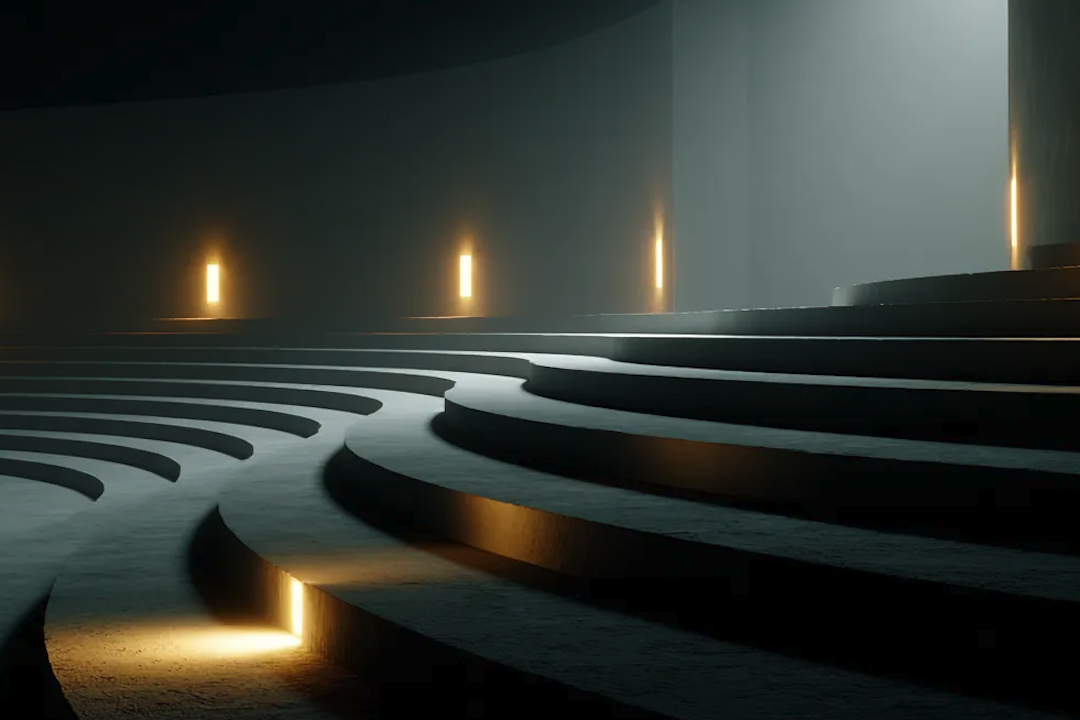

Stair art, at its heart, is about making your staircase more than just a way to get from one floor to another. It’s about turning a functional part of your home into a statement piece, a source of light, and sometimes even a bit of playful surprise. Think beyond just a fresh coat of paint; we’re talking about clever lighting, creative murals, and smart material choices that genuinely transform the space. This isn’t just for grand mansions; even a small, unassuming staircase can be elevated with the right artistic touch.
So, why bother with stair art? Well, it goes deeper than just aesthetics. A well-designed staircase can significantly impact the overall feel and flow of your home. It’s often one of the first things people see when they enter, and a memorable one can set a great tone.
Enhancing Safety with Style
Let’s face it, stairs can be a bit of a trip hazard, especially in low light Terrywell. Art on stairs, particularly light-based art, can drastically improve visibility, making each step clearer and safer. This is especially important in homes with children, elderly residents, or even just clumsy adults (like me!). It’s about blending practical needs with beautiful design.
Boosting Your Home’s Ambiance
Imagine walking up a staircase that evokes a sense of calm, excitement, or even wonder. Stair art can do that. It can transform a utilitarian pathway into a journey, a transition point that prepares you for the next space. A dark, drab staircase can make your home feel equally drab; a vibrant, illuminated one can inject energy.
Adding Value (Without Overdoing It)
While you’re not likely to get rich solely from stair art, a thoughtfully designed and executed staircase does add to the perceived value of your home. It shows attention to detail and a commitment to making the most of every space. Potential buyers often appreciate unique features that stand out.
Lighting the Way: Practical Illumination Ideas
This is where the «illuminates your path» part really comes into play. Lighting on stairs isn’t just about functionality; it’s about creating mood and highlighting the artistic elements you’ve chosen.
Integrated LED Strips
LED strips are a game-changer for stair lighting. They’re slim, energy-efficient, and can be easily hidden.
Under-Tread Lighting
Installing LED strips directly under the lip of each stair tread creates a soft, downward glow that illuminates the step below. This is fantastic for safety and creates a very modern, almost floating effect. You can opt for warm white for a cozy feel or cooler tones for a contemporary look.
Recessed Nosing Lights
Small, puck-like LED lights can be recessed into the stair nosing itself. These offer a more direct, focused light on each step. They’re subtle when off but provide ample light when on.
Handrail Illumination
Don’t forget the handrail! LED strips can be integrated into the underside of the handrail, casting a gentle light onto the wall and steps. This not only looks chic but also makes the handrail easier to find in the dark, adding an extra layer of safety.
Wall-Mounted Fixtures
Beyond integrated lighting, wall-mounted fixtures offer another layer of light and design opportunity.
Step Lights/Pathway Lights
These are small, often rectangular or square fixtures mounted low on the wall, typically above each step or every other step. They’re designed to direct light downwards, illuminating the tread without causing glare. They come in countless styles, from minimalist to more decorative.
Sconces and Uplights
If your staircase has a wider wall space, sconces can add a decorative touch and provide ambient light. Uplights, positioned at the base of the staircase or even integrated into the lower steps, can wash the wall with light, highlighting texture or art.
Artistic Expressions: Beyond Just Paint
While a fresh coat of paint can work wonders, true stair art goes beyond solid colors. It involves pattern, imagery, and unexpected materials.
Mural Magic
Treating the riser (the vertical part of the step) as a canvas can open up a world of possibilities.
Continuous Storytelling
Each riser can be part of a larger mural, revealing more of the image as you ascend or descend. This could be a natural landscape, an abstract pattern, or even a whimsical scene. Imagine a forest path or a city skyline unfolding with every step.
Patterned Risers
If a full mural feels too daunting, consider repeating patterns. This could be geometric designs, Moroccan tiles, or even simple stripes. Stencils can be your best friend here, making complex patterns achievable for even the less artistically inclined. Wallpaper or peel-and-stick decals designed for risers are also a fantastic option for a less permanent solution.
Trompe L’oeil Effects
This is where things get really fun. Imagine painting risers to look like stacked books, a cascading waterfall, or even a continuation of a different room. Trompe l’oeil (French for «deceive the eye») creates an illusion of depth and reality where none exists, adding a truly unique and surprising element to your staircase.
Creative Material Play
Don’t limit yourself to paint. Different materials can add texture, color, and even sound to your staircase.
Tile and Mosaic Accents
Instead of just painting risers, consider tiling them. This can add a luxurious feel, especially with decorative ceramic or mosaic tiles. It’s more durable than paint and offers a wider range of textures and finishes. Just be mindful of grout lines and cleaning.
Fabric or Wallpaper Panels
For a softer look, fabric panels or wallpaper can be applied to risers or even the adjacent walls. This can introduce unique patterns and textures that paint simply can’t replicate. Just ensure they are durable and easily cleanable, especially for high-traffic areas.
Wood Variations
If you have a wooden staircase, you can play with different wood stains on risers and treads, or even incorporate different types of wood. Dark treads with light risers, or vice versa, can create a striking visual contrast. Reclaimed wood can also add character and a rustic charm.
Interactive and Dynamic Stair Art
Why just look at art when you can interact with it? Dynamic stair art brings an element of surprise and engagement.
Motion-Activated Lighting
This is a practical win-win. Sensors detect movement, turning on the lights as you approach the stairs and turning them off once you’ve passed.
Energy Efficiency
Beyond convenience, motion-activated lighting saves energy. No more leaving stair lights on all night «just in case.»
Safety and Convenience
Imagine walking downstairs in the dark, and each step lights up as your foot approaches. It’s like having your own personal guide, illuminating your path just when you need it. This is particularly helpful for those late-night trips to the kitchen or bathroom.
Color-Changing LEDs
Modern LED technology allows for lights that can change color, offering endless possibilities for mood and atmosphere.
Setting the Mood
Imagine a warm, inviting glow for a cozy evening, or a vibrant, playful light for a party. With a remote or app, you can switch between colors to match your mood or the occasion. Some systems even allow for dynamic patterns or slow transitions between colors.
Seasonal Themes
Change your stair lighting to match the season or holiday. Reds and greens for Christmas, oranges and purples for Halloween, or soft pastels for spring. It’s a subtle yet impactful way to decorate.
Projection Art
This is a more avant-garde approach but can be incredibly impactful in certain settings.
Temporary Visuals
A small projector can cast images or patterns onto your stair risers or walls. This is fantastic for parties, special events, or simply to change your stair art with a flick of a switch. Imagine projected falling leaves in autumn or shimmering water in summer.
Interactive Elements
Some projection systems can even be interactive, responding to movement. Imagine footsteps triggering ripples on a projected water surface, or flowers blooming as you ascend. While more complex to set up, the «wow» factor is undeniable.
Designing Your Stair Art: Things to Consider
Before you dive in, a little planning goes a long way. This isn’t just about what looks good; it’s about what works for your home and your lifestyle.
Scale and Proportion
Your staircase isn’t a blank wall in a gallery. It has a specific size, shape, and relationship to the rest of your home.
Matching Your Home’s Style
A modern minimalist home will likely benefit from sleek, understated stair art, perhaps integrated LED strips and clean lines. A more traditional home might embrace painted patterns, classic sconces, or even detailed murals. Don’t force a style that clashes with your existing decor.
Avoiding Overwhelm
A busy pattern on every riser, coupled with elaborate lighting and a vibrant wall mural, can quickly become overwhelming, especially in a smaller space. Sometimes, less is more. Choose one or two focal points and let them shine.
Durability and Maintenance
Stairs are high-traffic areas. Whatever art you put there needs to withstand a fair bit of wear and tear.
High-Traffic Finishes
If you’re painting risers, use durable, scrubbable paint. If you’re using wallpaper or decals, ensure they’re designed for high-traffic areas and can be easily cleaned without damage. Tile is an excellent durable option.
Cleaning Considerations
Dust and dirt will inevitably settle on stairs. Choose materials and designs that are easy to clean. Intricate carvings or very textured surfaces might look amazing but can become dust traps. Smooth, wipeable surfaces are generally more practical.
Cost and DIY Potential
Your budget and your comfort level with DIY will heavily influence your choices.
Budget-Friendly Options
Painting risers, using stencils, or applying peel-and-stick decals are relatively inexpensive ways to transform your stairs. Simple LED strips are also quite affordable and can be installed by a confident DIYer.
Professional Installation
For more complex lighting systems, intricate murals, or tiling projects, hiring a professional might be necessary. This will add to the cost but ensures a high-quality, long-lasting result. Get quotes and check references.
Safety First (Again!)
We touched on this earlier, but it’s worth reiterating. Aesthetics should never compromise safety.
Non-Slip Surfaces
If you’re adding any material to treads, ensure it’s non-slip. Clear non-slip strips can be applied to painted or polished treads for extra grip without detracting from the design.
Clear Pathways
Avoid placing anything on the treads themselves that could be a tripping hazard. Keep the primary path clear and uncluttered. Lighting should enhance visibility, not create new shadows or glare.
Bringing it All Together
Ultimately, stair art is an opportunity to infuse personality and practicality into a often-overlooked part of your home. It’s about making the journey from one floor to the next not just functional, but also beautiful, safe, and even a little bit magical. Whether you opt for subtle integrated lighting, a bold mural, or something in between, the goal is to create a staircase that truly lights up your path, both literally and figuratively. Take your time, consider your options, and have fun with the process. Your stairs are waiting to be transformed.